Evening Health Report
Mayo Clinic Followed 1,929 People Over 70 for 4 Years. Those Who Kept One Old Habit Our Mothers Had Were Up to 35% Less Likely to Develop Memory Problems.
It wasn't a pill, a puzzle, or a brain app. It's something our mothers did every night, and almost nobody does anymore.
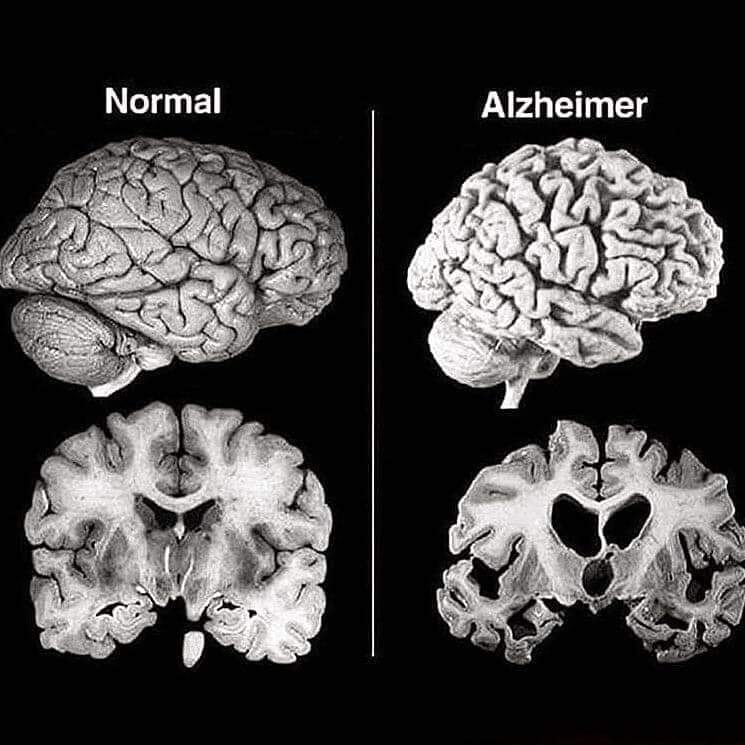
Same age. Very different brains. The Mayo Clinic wanted to know why.
You walk into the kitchen.
And you stand there.
You know you came in for something. You just can't remember what.
You laugh it off. Everybody does it.
But late at night, when the house is quiet, a different thought creeps in.
Is this how it started for Mom?
If that thought has ever crossed your mind, you're not alone. And what researchers at the Mayo Clinic found may change how you spend your evenings from tonight on.
The study almost nobody heard about
In 2017, Mayo Clinic researchers published a study in JAMA Neurology, a journal of the American Medical Association.
They followed 1,929 adults aged 70 to 93. At the start, every single one had a normal memory.
Then they watched them for about four years, to see who would slip into mild cognitive impairment, the stage where memory starts to go before it gets worse.
They looked at how each person spent their free time. And a few everyday habits stood out:
- Playing games was linked to a 22% lower risk
- Socializing was linked to a 23% lower risk
- Using a computer was linked to a 30% lower risk
- Crafts, like knitting and needlework, were linked to a 35% lower risk
Krell-Roesch et al., JAMA Neurology, 2017
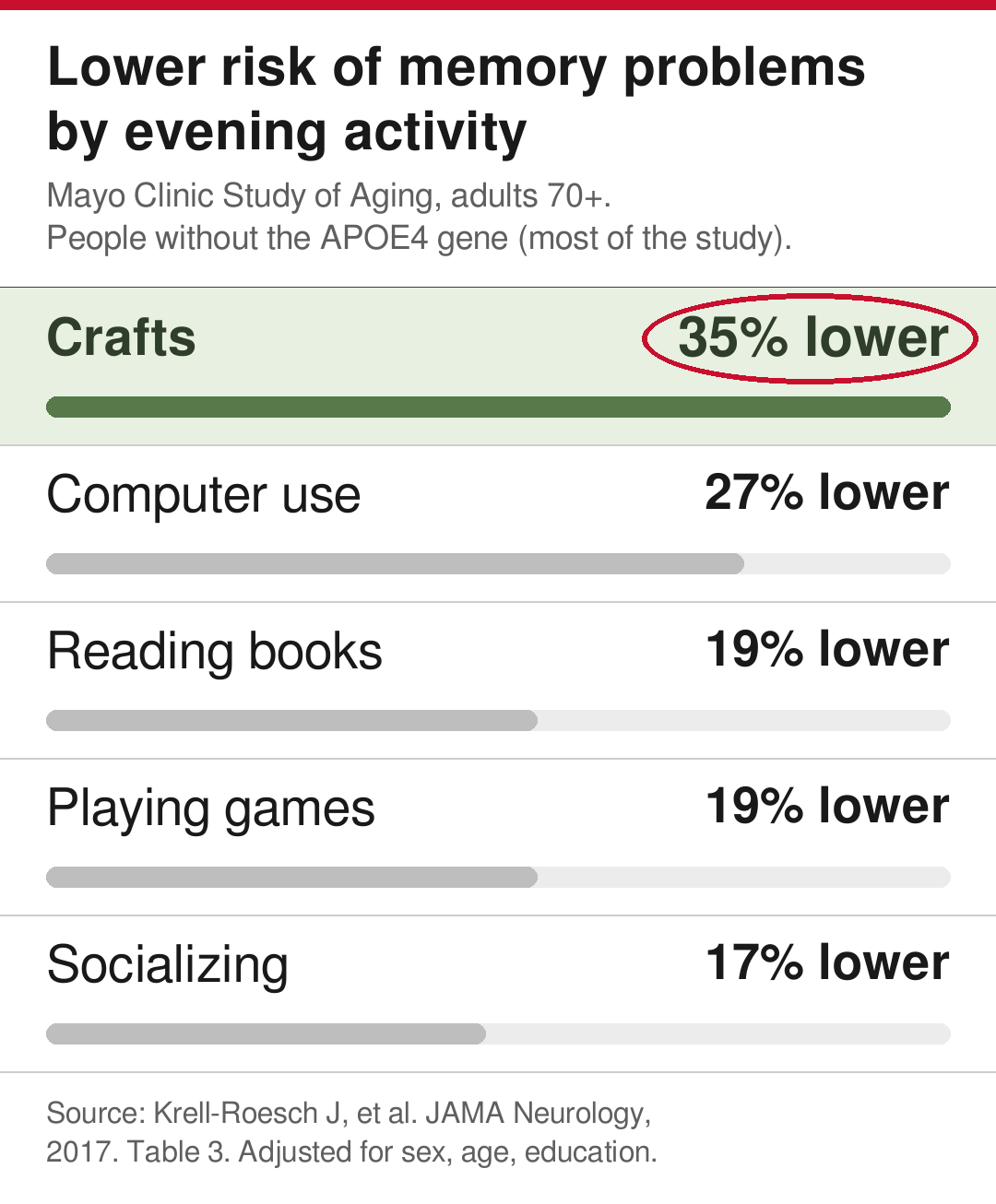
Read that last line again.
Something as quiet as working with your hands, in your own chair, sat right next to the things we're told to do to "keep the brain young."
But here's what most people miss. It's not just what those people did. It's what happened in their heads while they did it.
Linda thought she was doing everything right
Linda is 67 and lives in Ohio.
For years she watched her mother's memory fade. First it was names. Then the stove left on. Then, one Sunday, her mother looked at her across the table and asked who she was.

It starts small. A note on the fridge. Then another.
"That's the moment I started counting," Linda says. "Every time I lost my keys. Every time a word got stuck on my tongue. I'd think, is it starting?"
So she did what everyone tells you to do.
Crosswords every morning. Sudoku on the iPad. A brain-training app she paid for every month. A walking group on Thursdays.
And every evening, after supper, she sat down in front of the TV. Two shows. Then three. Then bed.
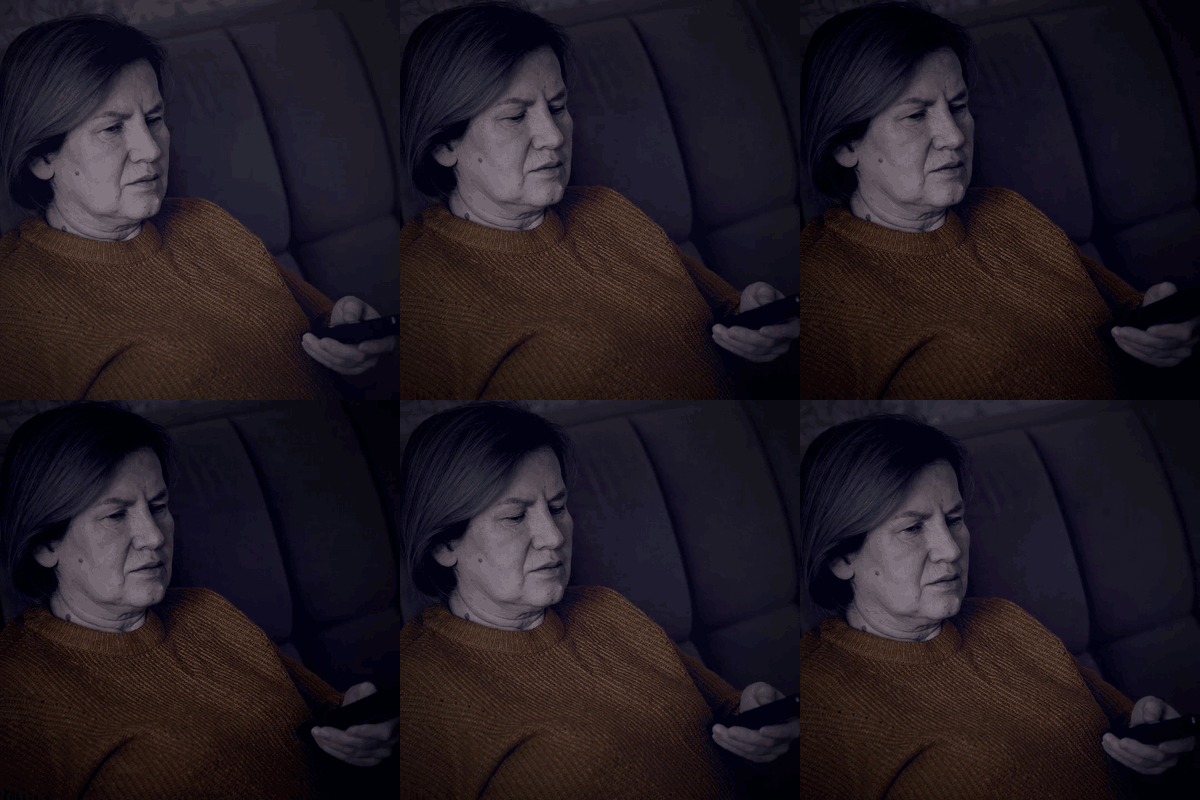
Most evenings looked like this. Not unhappy. Just switched off.
"I thought I was keeping my mind busy," she says. "I didn't know busy wasn't the point."
The Autopilot Evening
A few years before the Mayo study, a team at the University of Texas at Dallas asked a sharper question.
Not "what do sharp people do?"
But "what happens if we change what people do?"
Researcher Denise Park took 221 adults aged 60 to 90 and split them into groups. Each group spent 15 hours a week, for three months, doing one kind of activity.
- Some learned a demanding new skill: digital photography, quilting, or both.
- Some joined a social club.
- Some did easy, familiar things at home, like listening to classical music and doing word puzzles.
After three months, the researchers tested everyone's memory.
The clearest improvements came from the people learning a demanding new skill. The social club didn't do it. The easy, familiar activities at home didn't do it.
Park et al., Psychological Science, 2014
That's the part that hit Linda hardest. Her crosswords. Her puzzles. Her shows. All of it was familiar. Her brain already knew how to do every one of them.
We call this the Autopilot Evening.
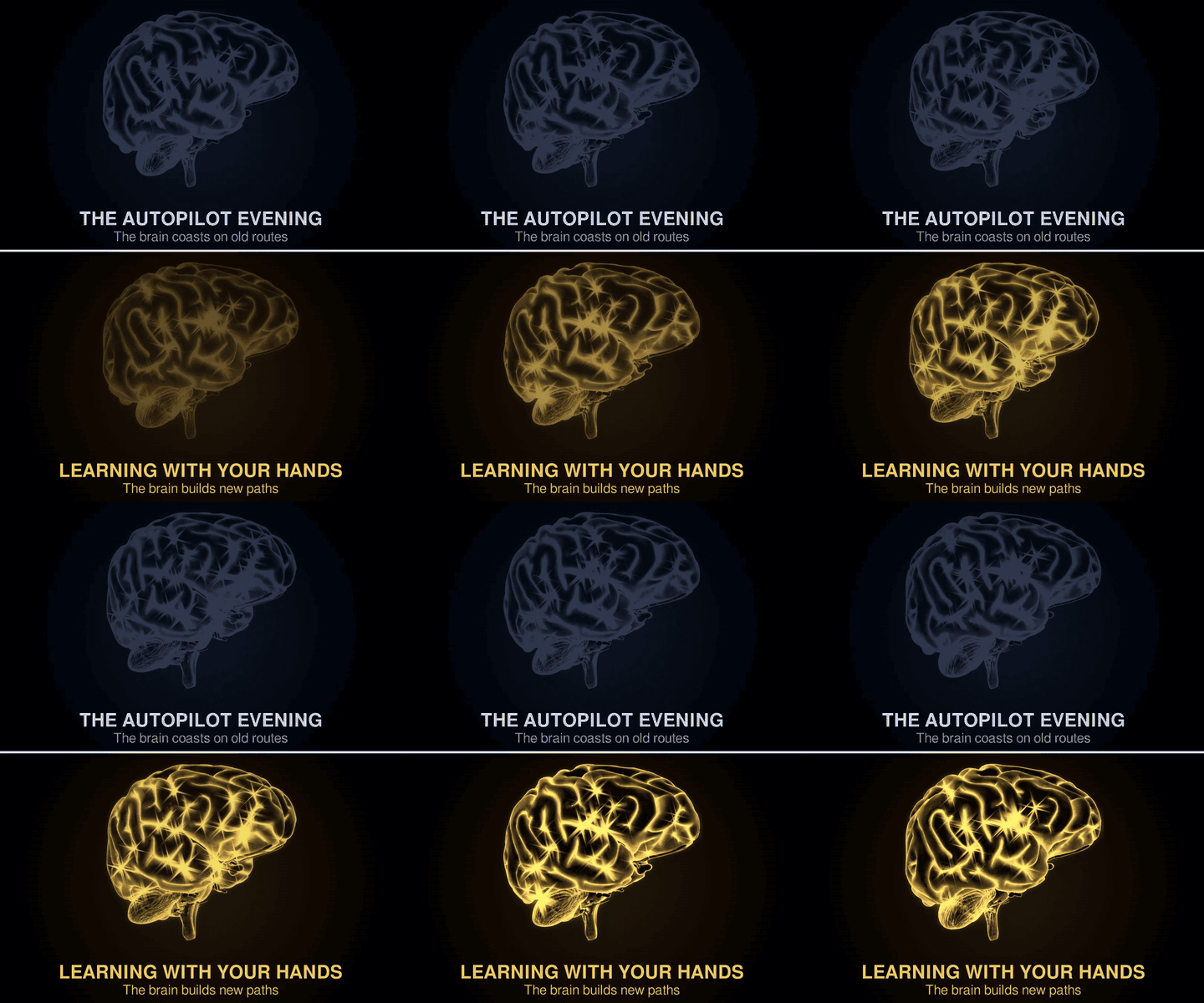
Same evening. Two very different brains.
When you do something you already know how to do, your brain coasts. It runs the old routes. It doesn't build anything new.
And the average American over 65 now spends more than four hours a day watching TV, most of it in the evening. (U.S. Bureau of Labor Statistics, American Time Use Survey)
Four hours, every night, with the hands still and the brain on autopilot. Year after year.
Think of your memory like a garden path. Walk the same path every day and the grass grows over everything else. Learning something new with your hands is how you cut fresh paths, one evening at a time.
Why the "brain fixes" didn't work
If you've tried to protect your memory, none of this is your fault. You were told the wrong things.
- Crosswords and Sudoku. Once you're good at them, they're autopilot. Familiar, like the easy home activities in the Texas study.
- Brain-training apps. In 2016, the FTC fined the maker of Lumosity $2 million over claims that its games could protect memory. The promises were bigger than the proof.
- TV and the phone. They fill the hours. Your hands stay still and your mind just watches.
- Staying social. It matters for so many reasons. But in the Texas study, the social group didn't see the same memory gains as the learners.
What was left was the thing our mothers did every night without thinking about it.
What our mothers knew
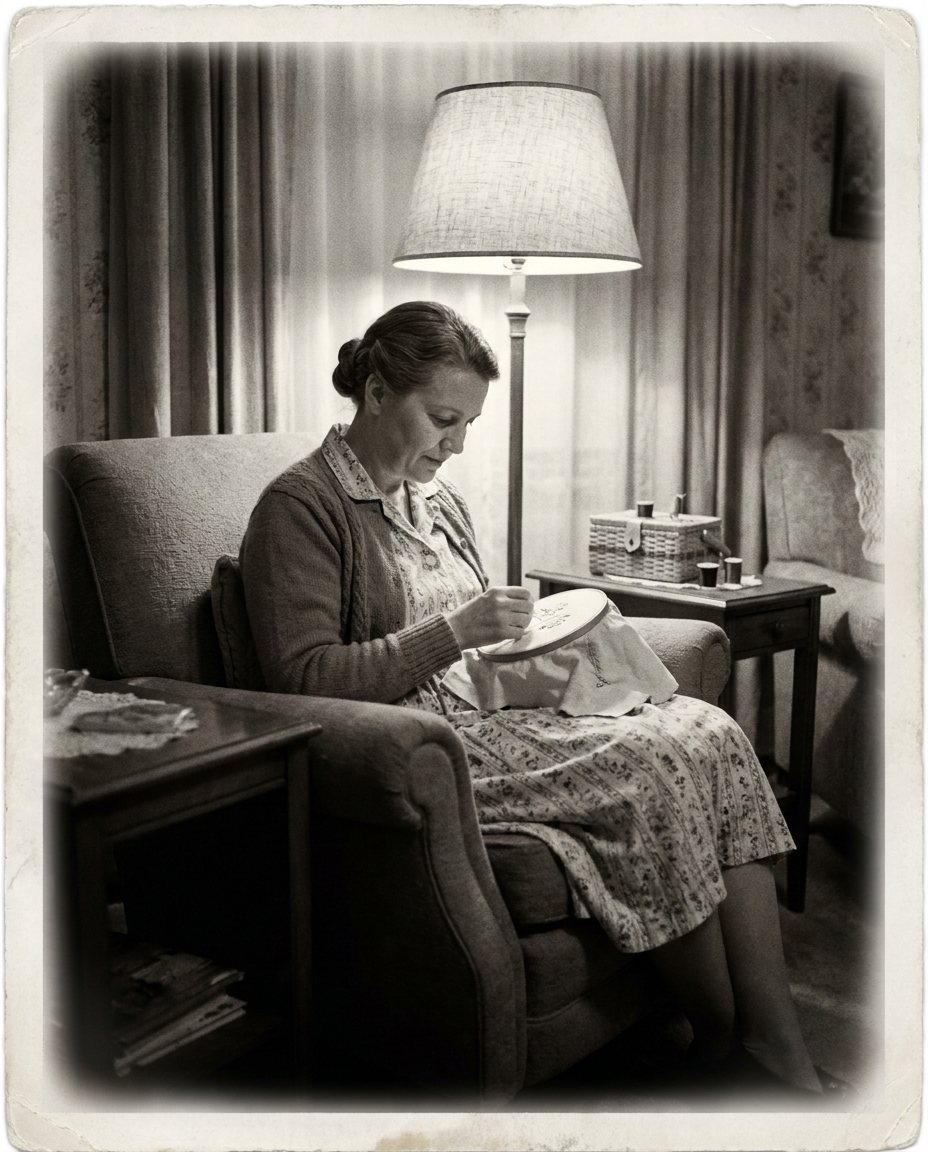
Supper cleared. A chair by the lamp. Something in her hands.
Picture your mother's evenings. Or your grandmother's.
Supper cleared. A chair by the lamp. And something in her hands. Mending. Knitting. A new stitch learned from a neighbor.
She never called it good for her mind. It was just what evenings were for.
And it wasn't only mothers.
In 1917, in Bradford, England, an embroiderer named Louisa Pesel was asked to teach embroidery to soldiers sent home from the trenches with shell shock. Men who couldn't sleep, couldn't stop shaking, couldn't stop reliving the war. She put needles in their hands. Together they stitched an altar cloth that is still kept at Bradford Cathedral today.
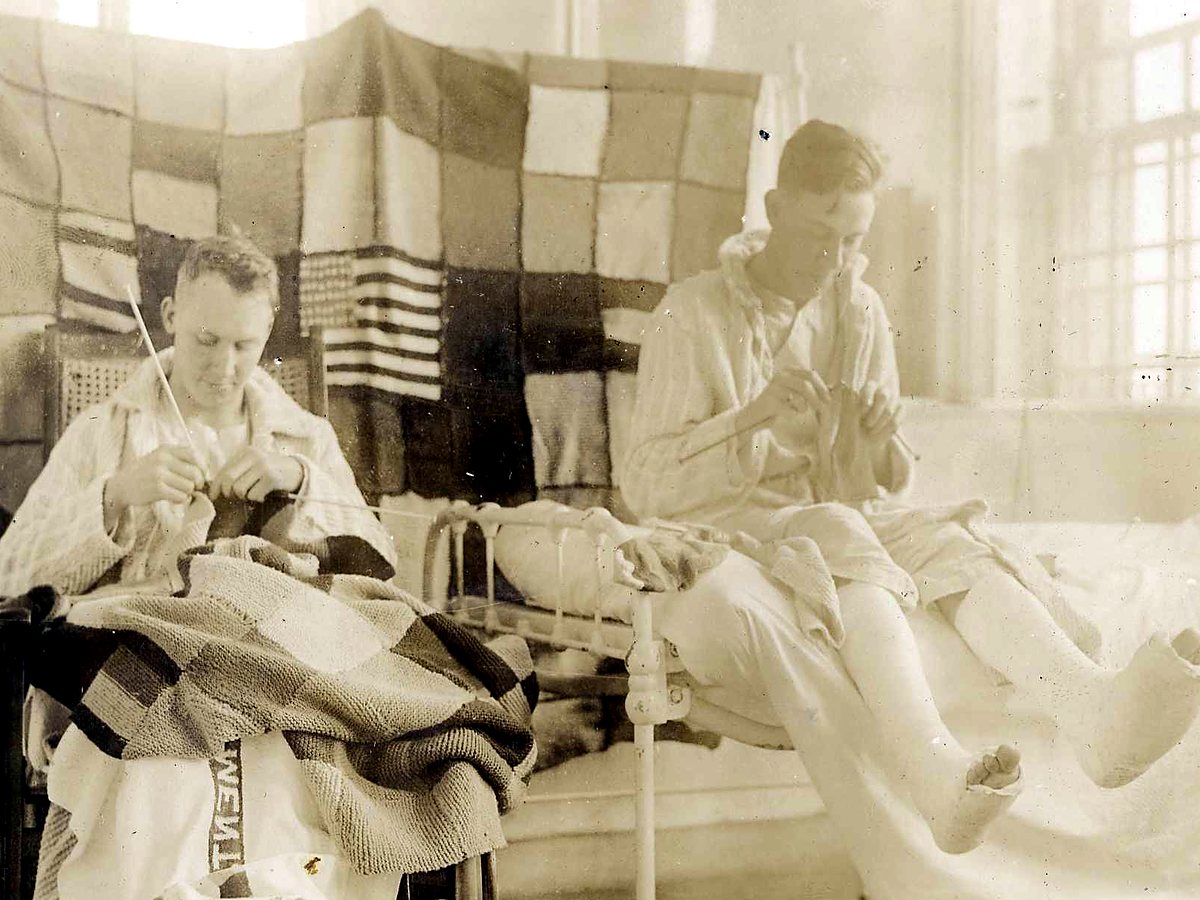
Recovering soldiers learning needlework in an army hospital, around 1918. Across the war, needles were handed to men home from the trenches.
Photo: National Museum of Health and Medicine, via Wikimedia Commons (CC BY 2.0)
In the Second World War, a British officer named Alexis Casdagli spent four years in German prison camps. He stitched through all of it, and ran a needlework school for his fellow officers. His son later said: if you sit down and stitch, you can forget about other things.
Soldiers. Prisoners. Our mothers. They all found the same thing: when the hands are learning, the mind settles and wakes up at the same time.
So why did we all stop?
"It isn't you. It's the kit."
Linda actually tried. Twice.
"I bought an embroidery kit at a craft store," she says. "You had to trace the pattern onto the fabric. The hoop kept slipping. The chart was so tiny I needed a magnifying glass. By the second night it was in a drawer."
That's how most kits go. All the hard part is the setup. Tracing. Transferring. Squinting. So you quit before you ever reach the part that matters, the learning.
What the research points to is simple:
Easy to start. Hard to master.
No setup to fight with. But something that keeps teaching you, one new stitch at a time.
The afternoon Diane came over
A few weeks after the second kit went in the drawer, Diane stopped by for coffee.
Linda had known her for thirty years. Diane is the kind of woman who never sits still, and lately she seemed different. Calmer. Sharper, somehow.
"What are you doing with your evenings?" Linda asked her.
Diane laughed, reached into her bag, and set a green box on the table.
"I turned the TV off," she said. "Don't laugh. It's a stitch book."
Linda almost did laugh. "I've tried that. Twice. It's in my drawer."
"Not like this," Diane said, and opened it. "Look. There's nothing to trace. There's no hoop. You just start."
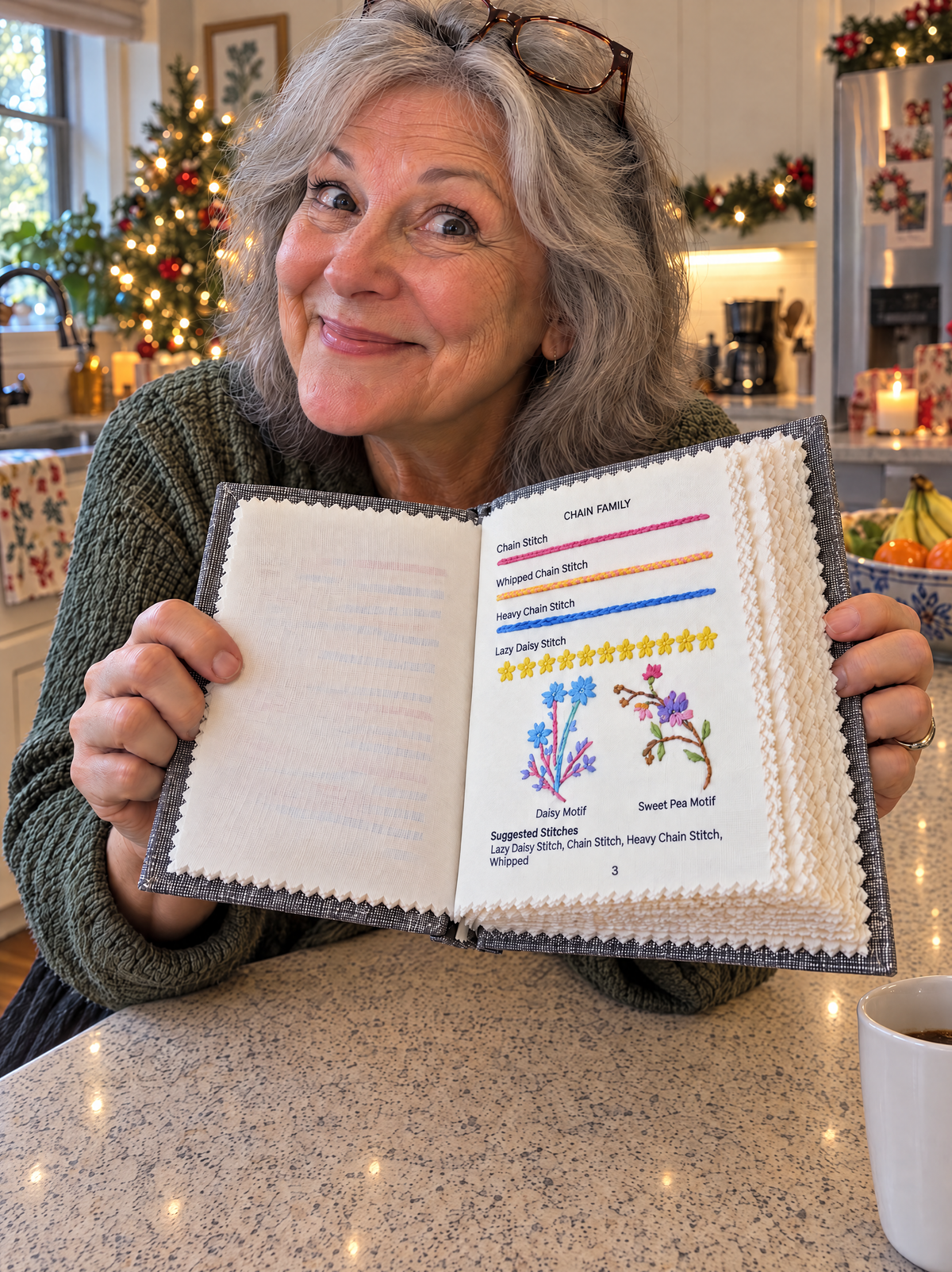
"Look. You just start."
Linda ran her thumb over the page. The pattern was already printed right on the fabric.
"Take it home tonight," Diane said. "Do one row. If you hate it, give it back."
She never gave it back.
Diane had to order herself a new one the next morning.
Here's what Diane showed her.
Meet The Hands Remember
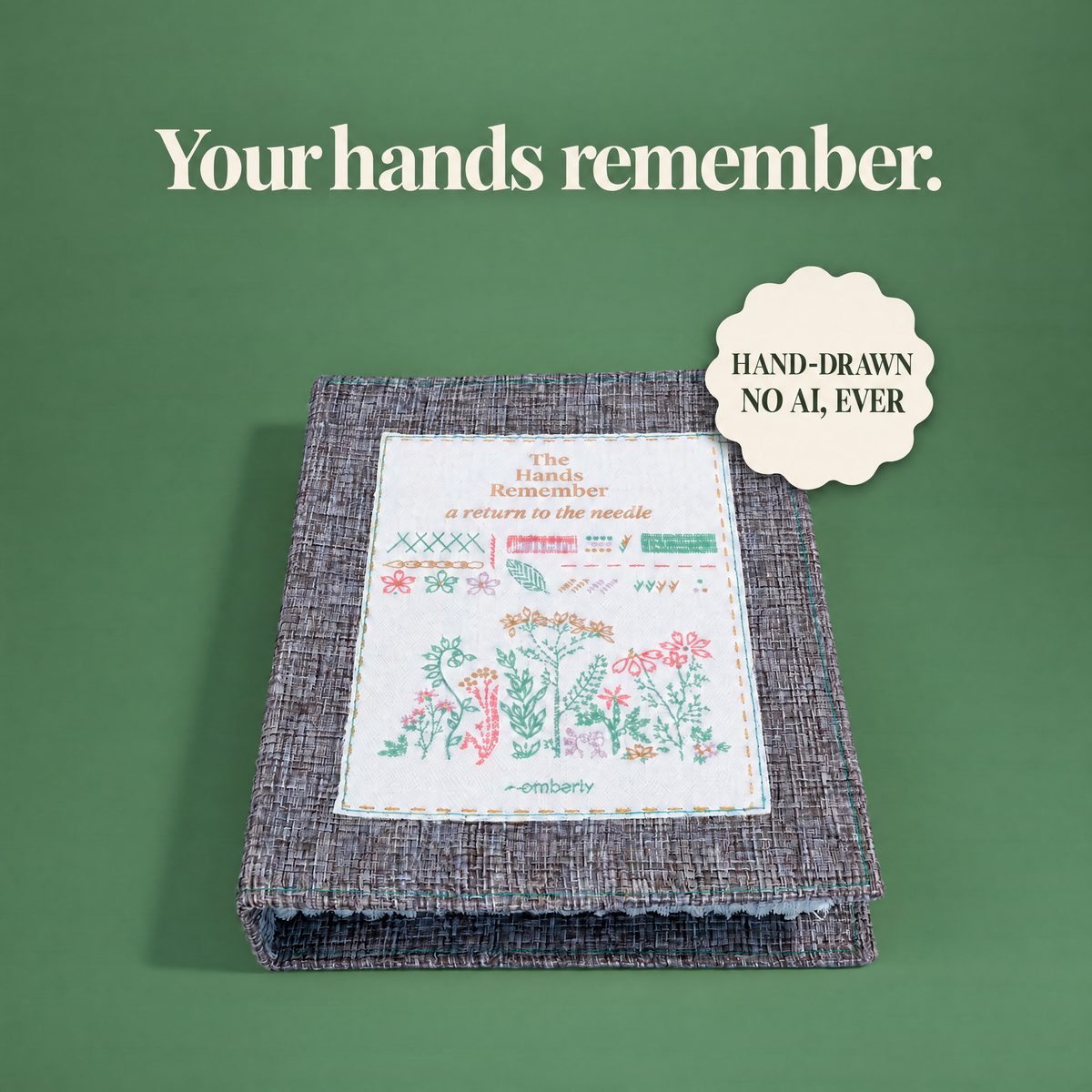
60 hand-drawn patterns, printed right on fabric pages.
The Hands Remember is a stitch book. But the pages are fabric.
Every pattern is already printed right on the page, exactly where you stitch. Nothing to trace. Nothing to transfer.
The book lies completely flat, so there's no hoop. You open it, thread the needle, and begin. Right there in the book.
And it keeps teaching you. It starts with the basic stitches on page 2, one row at a time. Then flowers and herbs, like the rosemary and lavender on page 12. Then bouquets. And on the very last page, a Victorian wreath.
60 patterns. Every page asks a little more of you. That's the "hard to master" part. That's what keeps your evenings off autopilot.
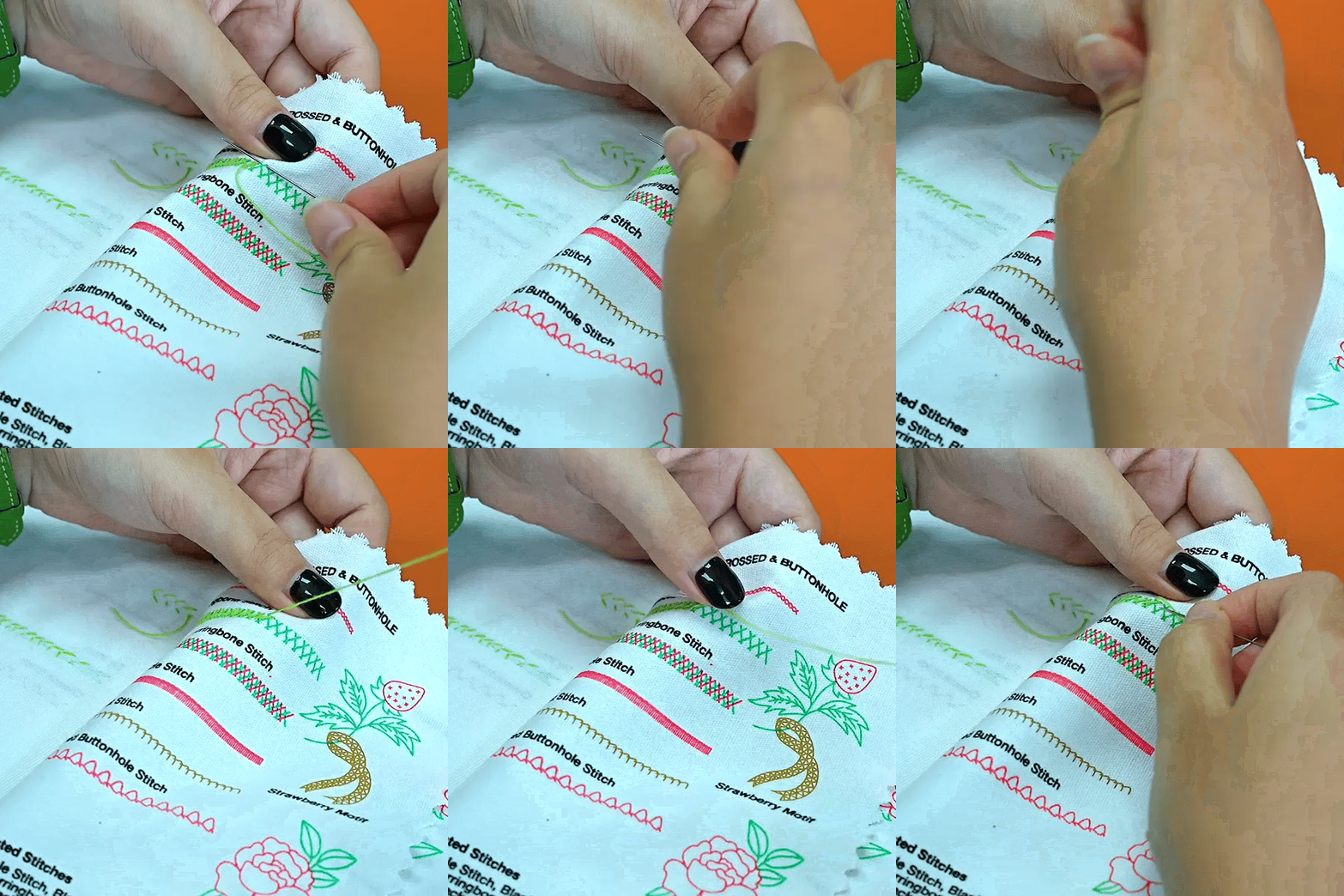
No hoop. Nothing to trace. Just follow the line.
Every design was drawn by hand by a real embroidery artist. No AI.
And you're never stuck. A 50-page illustrated Stitch Guide shows every stitch, and there's a video for every single one, filmed with a left-handed artist too.
Linda's first 30 days
- Night 1. "I almost didn't open it. Then I did the first row on page 2 before my show even started. I forgot to turn the TV on."
- Week 1. She finished her first page, a row of simple running stitches, on Wednesday. By Friday the TV stayed off after supper. "I didn't miss it. That surprised me."
- Week 2. Page 6, the little daisies. She took a photo and sent it to her daughter, who called her right back: "Mom, you made this?"
- Week 4. She's on page 14 now. Her evenings have a shape again: supper, tea, the chair by the lamp, one more row. "Last week I remembered a phone number without looking it up. I don't know if it's the stitching. But I noticed."
"For the first time in years, I go to bed feeling like I did something," she says. "Not like I just waited for the day to end."
What's in the box

- The Hands Remember stitch book, 60 patterns printed on fabric pages
- The Stitch Guide, 50 illustrated pages
- 30 cotton threads in a zip case
- A video for every stitch
- A green gift box, ready to keep or to give
What women are saying
It's so relaxing at the end of the day. I am going to send one to my daughter.
I am thrilled with my stitch book and kit. I have my first embroidery class (ever) this Friday and then am joining a crafts group that meets once a month. My stitch book is my new hobby and motivation for getting me active in my community!
Love it! Everything is included! Loved the email nudging me to just pick it up and start! I did!
I love the little book, it's not gigantic and it's easy to hold. Wasn't expecting the extra thread and such. Nice surprise. My friend is going to order one also.
Perfect for beginners. Able to carry it everywhere with you.
Why you haven't heard about this
Nobody runs TV commercials for needle and thread.
There's no money in telling you the answer was sitting in your mother's sewing basket. The money is in apps, subscriptions and pills.
So the research stays in medical journals. And millions of women keep spending their evenings on autopilot.
Start tonight
The Hands Remember:
$49.99$90.89
Right now it's 45% off. free shipping in the US
Try it for 90 days. If it's not for you, send it back for a full refund.
Every evening counts
Tonight, the TV will be there. The phone will be there. The same easy puzzle will be there.
Or you can open a book, thread a needle, and teach your hands something new.
The women in that Mayo study didn't do anything heroic. They just spent their evenings differently.
Open the book. Thread the needle. Follow the line.